

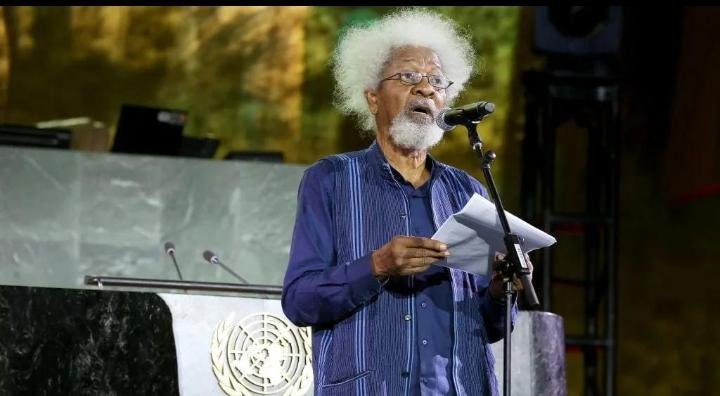
Wole Soyinka is one of Africa’s most influential literary figures and a global symbols of intellectual courage, creativity, and activism. Known for powerful writings, fearless political voice, deep cultural storytelling, and commitment to justice, Soyinka remains one of the most respected intellectuals in the world. From writing ground-breaking plays and books to speaking boldly against oppression, his life story is filled with courage, creativity, and influence.
Who Is Wole Soyinka?
Wole Soyinka is a Nigerian playwright, poet, novelist, essayist, political activist, and professor. He became internationally famous after winning the Nobel Prize in Literature in 1986, making him the first African to receive the award in that category.
For decades, Soyinka has used literature and public speaking to challenge injustice, corruption, dictatorship, and social inequality. His works often combine African traditions, Yoruba mythology, politics, spirituality, and human rights themes. Today, he is regarded as one of Africa’s greatest literary icons.
Wole Soyinka Age
Wole Soyinka was born on July 13, 1934. As of 2026, he is 91 years old. Despite his age, he continues to write, lecture, and participate in social discussions around democracy, leadership, and African development.
Early Life and Childhood
Wole Soyinka was born in Abeokuta, Ogun State, Nigeria, during British colonial rule. He grew up in a middle-class Christian family with strong educational values. His father, Samuel Ayodele Soyinka, was a school headmaster, while his mother, Grace Eniola Soyinka, was a trader and women’s rights activist. His mother was popularly known as “Wild Christian” because of her energetic personality and fearless activism.
Growing up in Abeokuta exposed Soyinka to both Western education and traditional Yoruba culture. This combination later influenced his writing style and philosophical ideas. As a child, he was curious, intelligent, and deeply interested in storytelling. He enjoyed reading books and observing social behaviour around him. These experiences helped shape his future as a writer.
Education Background
Wole Soyinka attended St. Peter’s Primary School in Abeokuta before moving to Abeokuta Grammar School for his secondary education. After completing secondary school, he studied at Government College Ibadan, one of Nigeria’s top educational institutions at the time. He later attended the University of Ibadan, where he studied English Literature, Greek, and Western history.
Seeking further education abroad, Soyinka continued his studies at the University of Leeds in the United Kingdom. There, he developed his literary skills and became deeply involved in theatre and dramatic arts. During his time in England, he worked with the Royal Court Theatre in London, gaining practical experience in playwriting and stage production.
Beginning of His Writing Career
Wole Soyinka began writing plays while still in university. His early works focused on African identity, colonialism, and cultural conflict. One of his earliest successful plays was “The Swamp Dwellers.”
Another major breakthrough came with “The Lion and the Jewel,” a play that explored the tension between modernity and traditional African culture.
Soyinka’s writing style stood out because it mixed:
- African folklore
- Symbolism
- Satire
- Political criticism
- Yoruba spiritual traditions
His ability to combine intellectual depth with African storytelling quickly gained international attention.
Rise to International Fame
During the 1960s and 1970s, Soyinka became one of Africa’s most influential literary voices. His plays were performed in universities and theatres across Africa, Europe, and America. He also became active in political discussions, openly criticizing corruption and abuse of power.
Unlike many writers who avoided politics, Soyinka believed intellectuals had a responsibility to defend truth and justice. His activism sometimes placed him in danger.
Political Activism and Imprisonment
One of the most dramatic moments in Wole Soyinka’s life occurred during the Nigerian Civil War. In 1967, Soyinka secretly met with officials from both sides of the conflict in an attempt to encourage peace. The Nigerian government accused him of supporting rebellion and arrested him. He spent about 22 months in solitary confinement without proper trial.
During imprisonment, he endured isolation, emotional stress, and harsh conditions. Yet, he continued writing secretly on tissue paper, cigarette packs, and hidden materials. His prison experiences later inspired some of his most powerful writings. This period transformed him into a global symbol of resistance against oppression.
Famous Books Written by Wole Soyinka
Wole Soyinka has written many books, plays, poems, essays, and memoirs. Below are some of his most famous works.
1. The Lion and the Jewel
This classic play examines the clash between traditional African customs and Western influence. It remains one of the most studied African plays in schools and universities.
2. Death and the King’s Horseman
Widely regarded as Soyinka’s masterpiece, this play explores duty, sacrifice, culture, and colonial interference. The work gained international acclaim for its emotional depth and philosophical themes.
3. Ake: The Years of Childhood
This memoir tells the story of Soyinka’s childhood in Abeokuta. The book gives readers a personal look into his family life, education, and early experiences.
4. The Man Died
This prison memoir describes his experiences during detention in the Nigerian Civil War era. It is considered one of Africa’s most important political autobiographies.
5. Chronicles from the Land of the Happiest People on Earth
This novel mixes satire and political commentary while discussing corruption, religion, and social problems in modern society.
6. You Must Set Forth at Dawn
This autobiography covers his life journey, activism, exile, and intellectual development.
7. Idanre and Other Poems
This poetry collection reflects Soyinka’s deep interest in Yoruba mythology and spirituality.
Wole Soyinka’s Writing Style
Soyinka’s works are known for being intellectually rich and culturally rooted.
Some key features of his writing include:
- Complex language
- Deep symbolism
- Yoruba mythology
- Political themes
- Moral conflict
- Satire and humour
- Philosophical reflections
Unlike simple storytelling, Soyinka often challenges readers to think critically about society, leadership, culture, and human behaviour.
Nobel Prize Achievement
In 1986, Wole Soyinka won the Nobel Prize in Literature.
This historic achievement made him:
- The first African Nobel Laureate in Literature
- One of the most recognized African intellectuals globally
The Nobel Committee praised his ability to create drama with cultural depth and poetic intensity. Winning the Nobel Prize elevated African literature on the global stage and inspired generations of African writers.
Academic Career
Apart from writing, Soyinka has also worked as a professor and lecturer.
He has taught at several respected universities worldwide, including:
- Harvard University
- Yale University
- University of Ife
- Cornell University
His lectures often focus on literature, democracy, culture, ethics, and African identity.
Exile and Return
Due to political tensions and threats during military rule in Nigeria, Soyinka spent several years in exile. During the regime of General Sani Abacha, he strongly criticized dictatorship and human rights abuses. Because of safety concerns, he lived abroad for some time before eventually returning to Nigeria after democratic rule was restored. His willingness to speak against injustice strengthened his reputation as a fearless activist.
Personal Life
Wole Soyinka has had a private but interesting personal life. He has been married multiple times and has children. Despite global fame, he generally keeps his family matters away from public controversy. Soyinka enjoys music, theatre, intellectual discussions, and cultural preservation. He is also known for his distinctive white hair and beard, which have become part of his public identity.
Friends and colleagues often describe him as:
- Bold
- Intelligent
- Disciplined
- Independent-minded
- Deeply principled
Wole Soyinka and Yoruba Culture
One of Soyinka’s greatest contributions is how he preserved and promoted Yoruba culture through literature.
His works frequently include:
- Yoruba gods and myths
- Traditional rituals
- African spirituality
- Indigenous philosophy
By doing this, he helped global audiences appreciate African cultural systems beyond stereotypes. He proved African stories could compete with world literature on equal terms.
Major Awards and Honours
Over the years, Wole Soyinka has received numerous awards and honours.
Some include:
- Nobel Prize in Literature
- Commander of the Federal Republic (CFR)
- Benson Medal
- Golden Plate Award
- Commonwealth Poetry Prize
- Europe Theatre Prize
He has also received honorary doctorates from universities around the world.
Influence on African Literature
Chinua Achebe, Ngũgĩ wa Thiong’o, and many modern African writers helped shape African literature, but Soyinka’s influence remains unique because of his combination of literature and activism.
Younger writers admire him for:
- Intellectual courage
- Literary originality
- Political honesty
- Cultural pride
Many African playwrights and authors today still study his methods and themes.
Wole Soyinka’s Views on Society
Soyinka has consistently spoken on issues affecting Africa and the world.
Some topics he frequently addresses include:
- Corruption
- Bad governance
- Religious extremism
- Freedom of speech
- Education
- Human rights
He believes intellectuals should challenge injustice rather than remain silent. His public speeches often generate national and international discussions.
Lesser-Known Facts About Wole Soyinka
Here are some interesting facts many people do not know:
- He once worked in theatre production before becoming globally famous.
- He enjoys motorcycles and adventurous travel.
- Soyinka has acted in stage performances.
- He survived political persecution multiple times.
- He believes literature should inspire social responsibility.
- He combines traditional African spirituality with modern philosophical thinking.
- He has written across multiple genres including drama, poetry, essays, memoirs, and novels.
Legacy of Wole Soyinka
The legacy of Wole Soyinka extends beyond literature.
He represents:
- Intellectual freedom
- African cultural pride
- Resistance against oppression
- Creative excellence
Even at an advanced age, his voice continues to influence discussions on politics, morality, and African identity. His books remain widely studied in schools and universities worldwide.
Frequently Asked Questions Wole Soyinka Biography: Age, Books Career, Achievements & Personal Life
How old is Wole Soyinka?
Wole Soyinka was born on July 13, 1934. As of 2026, he is 91 years old.
Why is Wole Soyinka famous?
He is famous for being a playwright, poet, activist, and the first African to win the Nobel Prize in Literature.
What is Wole Soyinka’s full name?
His full name is Akinwande Oluwole Babatunde Soyinka.
Which state is Wole Soyinka from?
He is from Ogun State, Nigeria.
What are Wole Soyinka’s most famous books?
Some of his famous books include:
- The Lion and the Jewel
- Death and the King’s Horseman
- Ake: The Years of Childhood
- The Man Died
Did Wole Soyinka go to prison?
Yes. He was imprisoned during the Nigerian Civil War because of his political activities and peace efforts.
When did Wole Soyinka win the Nobel Prize?
He won the Nobel Prize in Literature in 1986.
What is Wole Soyinka known for in literature?
He is known for combining African traditions, politics, philosophy, and dramatic storytelling.
Is Wole Soyinka married?
Yes, he has been married and has children, although he keeps much of his family life private.
What language influenced Wole Soyinka’s writing?
Yoruba culture and mythology strongly influenced his writing style and themes.
Conclusion
Wole Soyinka remains one of the greatest literary minds Africa has ever produced. His life story is not only about books and awards but also about courage, identity, and commitment to justice.
From his childhood in Abeokuta to becoming a Nobel Prize winner respected across the world, Soyinka has shown that literature can be both artistic and socially powerful.
His writings continue to educate, inspire, and challenge readers to think deeply about leadership, humanity, and cultural identity. For generations to come, Wole Soyinka’s voice will remain an important part of African and global history.




Add comment