

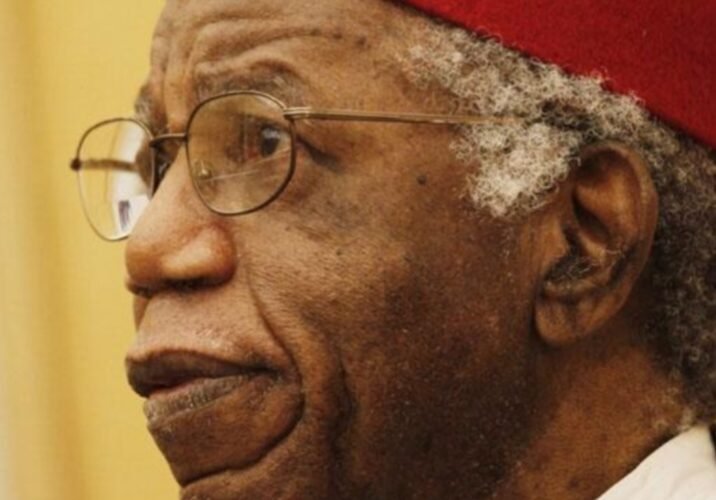
Chinua Achebe was regarded as of the most important writers in modern African literature. Known as the “father of modern African literature,” Achebe gave Africa a voice in global storytelling at a time when many books about the continent were written from foreign perspectives. His novels, essays, and poems opened the eyes of millions to African culture, colonialism, tradition, identity, and leadership.
From his ground-breaking novel “Things Fall Apart” to his influence on generations of writers, Achebe’s story is one of courage, intelligence, and cultural pride. His life was not only about writing books, it was about preserving history, challenging stereotypes, and inspiring Africans to tell their own stories.
Who Was Chinua Achebe?
Chinua Achebe was a Nigerian novelist, poet, critic, and professor widely celebrated for transforming African literature. He became internationally famous after publishing ‘Things Fall Apart” in 1958, a novel that remains one of the most widely read African books in history.
Achebe believed Africans should tell their own stories instead of allowing outsiders to define African identity. Through his writing, he challenged colonial narratives and promoted the richness of Igbo traditions and African values. He was respected not only in Nigeria but across the world for his intelligence, humility, and literary brilliance.
Chinua Achebe’s Early Life
Chinua Achebe was born on November 16, 1930, in Ogidi, a town in present-day Anambra State, Nigeria. His full birth name was Albert Chinụalụmọgụ Achebe.
His parents were Isaiah Okafo Achebe and Janet Anaenechi Achebe, devoted Christians who worked with the Church Missionary Society. Achebe grew up in a household that balanced traditional Igbo culture with Christian beliefs. This combination later became one of the strongest themes in his writing.
As a child, Achebe listened to traditional folktales told by his mother and sister. These stories deeply shaped his imagination and storytelling style. He later explained that African oral traditions influenced him just as much as formal education.
Growing up during British colonial rule also affected Achebe’s worldview. He witnessed how colonialism changed African societies, weakened local traditions, and introduced cultural conflicts. These experiences later became central themes in his novels.
Education and Academic Journey
Achebe attended St. Philips’ Central School before moving to Government College Umuahia, one of the most respected schools in colonial Nigeria. The school produced several famous Nigerian intellectuals and writers. He was an excellent student known for his intelligence and love for reading. During this period, Achebe became interested in English literature and world history.
In 1948, he gained admission into University College Ibadan, now known as the University of Ibadan. Initially, he studied medicine but later switched to English, history, and theology because of his passion for literature.
While in university, Achebe began questioning the way Africa was portrayed in European books. He noticed that many foreign authors described Africans negatively or inaccurately. This realization motivated him to write stories that represented African life truthfully.
The Beginning of His Writing Career
After graduating from university in 1953, Achebe worked for the Nigerian Broadcasting Service in Lagos. His job exposed him to journalism, communication, and storytelling techniques. During this period, he started writing short stories and developing ideas for what would later become “Things Fall Apart”. Achebe wanted to create a novel that showed African society before colonialism from an African point of view.
At the time, many Western books described Africans as uncivilized people without culture or history. Achebe strongly disagreed with this narrative. His writing style combined simple English with African expressions, proverbs, and storytelling traditions. This made his books easy to understand while preserving African cultural identity.
Things Fall Apart: The Book That Changed African Literature
Things Fall Apart was published in 1958 and immediately became a literary masterpiece. The novel tells the story of Okonkwo, a respected Igbo warrior whose life changes during the arrival of British colonial rule and Christian missionaries in his community.
The book explored themes such as:
- Colonialism
- Masculinity
- Tradition
- Cultural conflict
- Identity
- Leadership
- Religion
- Change and resistance
Unlike many colonial-era books, ‘Things Fall Apart’ portrayed African society as organized, intelligent, and culturally rich. The novel became one of the most translated African books ever written and has sold millions of copies worldwide. Today, it is studied in schools and universities across different continents.
Other Major Books by Chinua Achebe
No Longer at Ease (1960)
No Longer at Ease focused on corruption, identity, and the struggles of educated Africans in post-colonial society. The story follows Obi Okonkwo, the grandson of Okonkwo from ‘Things Fall Apart’. Achebe used the novel to examine how colonialism affected modern African life.
Arrow of God (1964)
Arrow of God is often considered one of Achebe’s greatest works. The novel explored power, spirituality, leadership, and colonial influence through the life of Ezeulu, a traditional priest. Many critics praised the novel for its deep psychological and cultural insight.
A Man of the People (1966)
A Man of the People examined political corruption in newly independent African nations. Interestingly, the novel was published shortly before Nigeria experienced a military coup. Because the book seemed to predict political unrest, some people believed Achebe had political insider knowledge.
Anthills of the Savannah (1987)
Anthills of the Savannah focused on dictatorship, leadership failure, and social responsibility in Africa.
The novel was shortlisted for the Booker Prize and strengthened Achebe’s reputation as one of the world’s greatest writers.
Chinua Achebe and the Nigerian Civil War
One of the most difficult periods in Achebe’s life came during the Nigerian Civil War from 1967 to 1970. Achebe strongly supported Biafra, the breakaway south-eastern region attempting to become independent from Nigeria. During the war, he travelled internationally to speak about the suffering of the Igbo people.
The war caused enormous destruction and humanitarian crisis. Achebe lost friends, opportunities, and stability during this period. His experiences during the war deeply influenced his later essays and poems. He became more outspoken about leadership failure, injustice, and human suffering.
His Career as a Professor and Global Intellectual
Beyond writing novels, Chinua Achebe was also an educator and public thinker.
He taught at several universities around the world, including:
- University of Nigeria
- University of Massachusetts Amherst
- Brown University
Achebe became respected globally for his speeches, essays, and literary criticism. He often spoke about African politics, colonial history, racism, language, and storytelling. His essays were known for being direct, thoughtful, and fearless.
Chinua Achebe’s Writing Style
Achebe’s writing style was unique because it blended simplicity with deep meaning.
Some characteristics of his style include:
Use of Proverbs
Achebe famously described proverbs as “the palm oil with which words are eaten.” His books used many Igbo proverbs to enrich dialogue and preserve African oral traditions.
Simple but Powerful Language
His writing was easy for ordinary readers to understand while still carrying strong emotional and intellectual impact.
Cultural Realism
Achebe carefully portrayed African customs, ceremonies, beliefs, and community life in realistic detail.
Moral and Political Themes
Many of his books examined leadership, justice, corruption, tradition, and cultural identity.
Major Awards and Achievements
Throughout his lifetime, Achebe received many awards and honours for his contributions to literature.
Some notable achievements include:
- Man Booker International Prize
- Nigerian National Merit Award
- Commonwealth Poetry Prize
- Peace Prize of the German Book Trade
He also received more than 30 honorary doctorates from universities worldwide. Despite global recognition, Achebe remained humble and deeply connected to his Nigerian roots.
Chinua Achebe’s Family and Personal Life
Chinua Achebe married Christie Okoli Achebe in 1961. Their marriage was admired for its stability and partnership.
The couple had children, including:
- Chimamanda Ngozi Adichie was not his daughter, despite a common misconception.
- His actual children include writers and professionals who continued supporting education and culture.
Achebe valued family life and often preferred quiet intellectual environments over celebrity attention.
The Car Accident That Changed His Life
In 1990, Achebe was involved in a serious car accident in Nigeria that left him paralyzed from the waist down. After the accident, he moved to the United States for medical treatment and continued teaching and writing from there.
Although the injury changed his physical life, it did not stop his intellectual contributions. Achebe remained active in literature, public discussions, and mentorship. His resilience inspired many people worldwide.
Chinua Achebe’s Criticism of Colonial Literature
Achebe became famous for criticizing books that portrayed Africans negatively. One of his most controversial essays criticized Joseph Conrad and the novel Heart of Darkness. Achebe argued that the book dehumanized Africans and presented Africa as a place without civilization.
His criticism sparked major debates in literary studies and forced many institutions to rethink how African people were represented in literature.
Chinua Achebe’s Influence on African Writers
Achebe inspired countless African authors and intellectuals.
Writers influenced by him include:
- Chimamanda Ngozi Adichie
- Ngũgĩ wa Thiong’o
- Wole Soyinka
He proved that African stories could achieve global success without abandoning African identity. Today, many African writers see Achebe as a literary father figure.
Death and Global Tributes
Chinua Achebe died on March 21, 2013, in Boston, Massachusetts, United States. His death shocked readers and intellectuals worldwide. Tributes came from presidents, writers, professors, and students across the globe.
Many people described him as:
- A cultural hero
- Africa’s literary giant
- A voice of truth
- A defender of African dignity
Even after his death, his books continue shaping global discussions about identity, history, and storytelling.
Chinua Achebe’s Lasting Legacy
Achebe’s greatest legacy is that he changed how Africa was represented in literature. Before Achebe, many African stories were told through colonial perspectives. After Achebe, African writers increasingly gained confidence to tell their own histories.
His legacy includes:
- Promoting African literature globally
- Preserving Igbo culture
- Inspiring young writers
- Challenging stereotypes
- Encouraging intellectual independence
His books remain relevant because they address timeless issues such as leadership, corruption, identity, and cultural conflict.
Frequently Asked Questions
Why is Chinua Achebe called the father of African literature?
He is called the father of African literature because he transformed global understanding of African storytelling through books like “Things Fall Apart”.
What made Chinua Achebe different from other writers?
Achebe wrote African stories from an African perspective instead of relying on colonial viewpoints.
Did Chinua Achebe win the Nobel Prize?
No, although many people believed he deserved it, he never received the Nobel Prize in Literature.
Why is Things Fall Apart so important?
The novel showed African society as complex, organized, and culturally rich during a time when many books misrepresented Africa.
What tribe was Chinua Achebe from?
He was Igbo, one of the major ethnic groups in Nigeria.
What inspired Achebe to become a writer?
He was inspired by African oral storytelling and by his desire to challenge negative colonial narratives.
Did Chinua Achebe support Biafra?
Yes, he strongly supported Biafra during the Nigerian Civil War.
Was Chinua Achebe also a teacher?
Yes, he taught at universities in Nigeria and the United States.
What language did Chinua Achebe write in?
He mainly wrote in English but incorporated Igbo expressions, proverbs, and storytelling traditions.
How many books did Chinua Achebe write?
He wrote novels, essays, poems, children’s books, and academic works throughout his lifetime.
What was Chinua Achebe’s real name?
His birth name was Albert Chinụalụmọgụ Achebe.
What is Chinua Achebe’s most famous quote?
One of his most famous quotes is: “Until the lions have their own historians, the history of the hunt will always glorify the hunter.”
Conclusion
Chinua Achebe was more than a writer. He was a cultural guardian, teacher, critic, and voice for African identity. Through his books, he corrected false narratives, preserved African traditions, and inspired generations of storytellers. His life journey from a small town in Nigeria to becoming one of the world’s most respected authors proves the power of storytelling. Achebe showed that literature can protect culture, challenge injustice, and shape history.
Even decades after publishing “Things Fall Apart”, his influence remains strong in schools, universities, political discussions, and literary communities worldwide. For readers searching for wisdom, history, and authentic African storytelling, Chinua Achebe’s works remain timeless treasures.




Add comment