

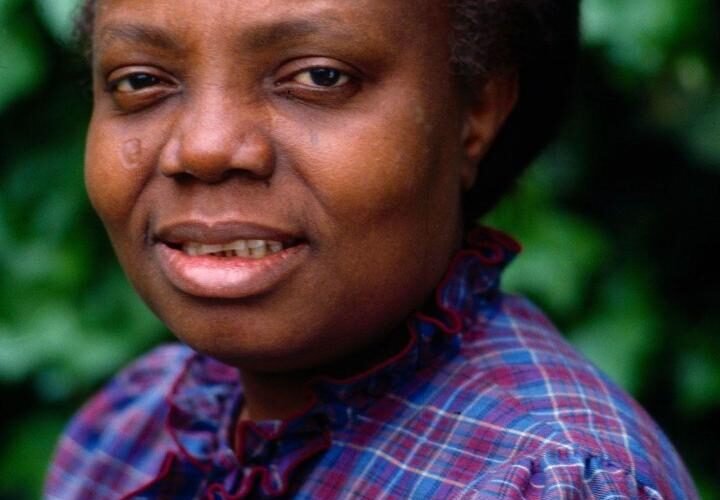
The story of Buchi Emecheta is one of courage, determination, talent, and survival. She was not just a Nigerian writer; she became one of the strongest literary voices in Africa and across the world. Her books opened conversations about women’s struggles, education, migration, motherhood, racism, culture, and personal freedom. Even decades after publishing her famous novels, her words still inspire students, readers, writers, and women around the globe.
Many people search online for “Buchi Emecheta biography,” “Buchi Emecheta books,” “Buchi Emecheta family,” and “Buchi Emecheta success story” because her life was filled with real experiences that connected deeply with readers. She transformed pain into powerful storytelling and became an example of how difficult beginnings do not stop greatness.
Who Was Buchi Emecheta?
Buchi Emecheta was a Nigerian-born novelist, essayist, auto biographer, and children’s writer who became internationally known for writing stories about African women and immigrants. Her full name was Florence Onyebuchi Emecheta. She was born on July 21, 1944, in Lagos, Nigeria, and later moved to London, where she built her writing career.
She became famous for novels such as Second-Class Citizen, The Joys of Motherhood, The Bride Price, and The Slave Girl. Her books focused on women’s rights, motherhood, education, colonialism, family pressure, survival, and identity.
Unlike many writers who created fictional stories far from reality, Buchi Emecheta often wrote from personal experience. Her difficult marriage, financial struggles, migration journey, and life as a single mother strongly influenced her books. Today, she is remembered as one of Africa’s greatest female writers.
Buchi Emecheta Early Life
Buchi Emecheta was born in Lagos during the colonial period in Nigeria. Although she was born in Lagos, her family originally came from Ibusa in present-day Delta State. She belonged to the Igbo ethnic group. Her parents were hardworking people who believed strongly in culture and tradition. Her father worked as a railway worker, while her mother had experienced severe hardship during her own childhood.
Buchi’s childhood was not easy. At a young age, she lost her father after he returned from military service connected to World War II. Soon after, she also lost her mother. Becoming an orphan early in life deeply affected her emotional development and shaped the themes she later explored in her books. Even though many people believed boys deserved education more than girls, Buchi loved reading and learning.
She attended a missionary school and later received a scholarship to Methodist Girls’ School in Lagos. Education became her escape from poverty and limitations. She once explained through her writing that books gave her hope and imagination during difficult moments.
Buchi Emecheta Education
Buchi Emecheta’s educational journey was remarkable because many girls in Nigeria during her childhood did not receive the same opportunities. She studied at Methodist Girls’ School in Yaba, Lagos. The school environment helped her improve her reading and writing abilities. She became interested in storytelling from an early age.
After moving to London, her education continued despite her responsibilities as a wife and mother. While raising children and working to survive, she studied sociology at the University of London. Her academic background influenced her writing style. She carefully observed society, family structures, racism, migration, and women’s struggles.
This made her novels realistic and emotionally powerful. Unlike writers who focused only on entertainment, Buchi Emecheta used literature to educate people about real social problems.
Marriage and Family Life
One of the most discussed parts of Buchi Emecheta’s biography is her marriage. She got married very young to Sylvester Onwordi, a student who later travelled to London to continue his education. Buchi joined him in the United Kingdom in 1962 with their children. Life in London was extremely difficult. The family struggled financially, and Buchi faced racism, loneliness, and pressure from her husband. She worked hard to support the family while also caring for several children.
Her marriage became emotionally and physically abusive. According to reports and autobiographical details found in her books, her husband did not support her writing career. One of the most painful moments in her life happened when her husband burned the manuscript of her first novel because he felt threatened by her ambition.
Instead of giving up, Buchi rewrote the book from memory. Eventually, she left the marriage while pregnant with her fifth child. Becoming a single mother in a foreign country was not easy, but she continued working, studying, and writing. Her experiences later inspired some of her most famous novels.
Buchi Emecheta’s Journey Into Writing
Buchi Emecheta did not become successful overnight. Her writing journey began through diary entries and personal reflections about life in London. She wrote about poverty, housing struggles, racism, welfare systems, and the challenges of raising children alone.
Her early writings were published as articles in the New Statesman magazine. These stories later became her first major book titled In the Ditch. Readers quickly connected with her honest storytelling because she described life exactly as she experienced it.
Unlike many authors who hid painful realities, Buchi Emecheta wrote openly about:
- Domestic abuse
- Financial hardship
- Gender inequality
- Immigration struggles
- Racism
- Motherhood
- Cultural expectations
- Women’s independence
Her boldness made her different from many writers of her time.
Famous Books Written by Buchi Emecheta
Buchi Emecheta wrote several influential novels and children’s books. Many of her books are now studied in schools and universities around the world.
1. Second-Class Citizen
This is one of her most famous novels. The book tells the story of Adah, a young Nigerian woman who moves to London with dreams of success but faces discrimination, poverty, and abuse. The novel is strongly connected to Buchi’s real-life experiences.
Themes in the book include:
- Racism
- Migration
- Female independence
- Education
- Survival
- Marriage struggles
Many readers consider this book one of the greatest African feminist novels ever written.
2. The Joys of Motherhood
This novel explores the sacrifices women make for their families. The story follows Nnu Ego, a woman who believes motherhood will bring happiness and respect. Instead, she faces suffering, disappointment, and hardship. The book questions traditional ideas about motherhood and women’s roles in society. Even today, many scholars describe it as one of the most powerful books about African womanhood.
3. The Bride Price
This novel focuses on tradition, love, and family expectations. It tells the story of Aku-nna, a young girl who falls in love with someone her family does not approve of. The book explores cultural beliefs surrounding marriage and bride price in traditional African society.
4. The Slave Girl
This novel discusses slavery and exploitation within African communities. The story follows Ojebeta, a young girl sold into slavery after losing her parents. The novel highlights poverty, gender inequality, and survival.
5. In the Ditch
This semi-autobiographical novel examines the struggles of single mothers living in poor housing conditions in London. The book combines humour, realism, and social criticism.
6. Destination Biafra
This novel is based on the Nigerian Civil War. It explores politics, war, leadership, violence, and human suffering. The book remains important for readers interested in Nigerian history.
7. Kehinde
This novel discusses identity, migration, marriage, and cultural expectations. It explores the emotional struggles faced by Africans living abroad.
Buchi Emecheta’s Writing Style
Buchi Emecheta’s writing style was simple, emotional, direct, and realistic. She did not depend on overly complicated language to impress readers. Instead, she used clear storytelling that ordinary people could understand.
Her books often combined:
- Real-life experiences
- Social criticism
- Emotional storytelling
- African cultural traditions
- Feminist ideas
- Historical realities
One reason her books remain popular is because readers can easily connect with the characters. She wrote about everyday people struggling with real problems.
Themes Found in Buchi Emecheta’s Books
Many of Buchi Emecheta’s novels share similar themes.
1. Women’s Struggles
Most of her books focus on women trying to survive in societies controlled by patriarchy.
She examined how women faced:
- Oppression
- Forced marriage
- Financial dependence
- Domestic violence
- Limited opportunities
2. Education
Education appears repeatedly in her books. She believed education could help women achieve independence and confidence.
3. Migration and Racism
As an immigrant in London, Buchi experienced racism personally. Her novels describe the loneliness, discrimination, and identity struggles faced by immigrants.
4. Motherhood
She explored both the beauty and pain connected to motherhood. Instead of presenting motherhood as perfect, she showed the sacrifices women make.
5. Tradition vs Modernity
Many of her characters struggle between traditional African expectations and modern lifestyles.
Challenges Buchi Emecheta Faced
Buchi Emecheta’s success story becomes more inspiring when people understand the difficulties she survived.
Poverty
She experienced financial hardship both in Nigeria and London.
At times, she struggled to feed and care for her children.
Single Parenthood
Raising five children alone while studying and writing was extremely difficult.
Racism
Living in Britain during the 1960s and 1970s exposed her to discrimination as a Black African woman.
Gender Discrimination
Some people believed women should not pursue careers or intellectual freedom.
Frequently Asked Questions
Why did Buchi Emecheta write so deeply about emotional pain instead of hiding it?
Buchi Emecheta believed emotional pain should not be hidden because silence keeps suffering alive. Instead of pretending everything was perfect, she turned heartbreak, rejection, loneliness, and disappointment into stories that could help others feel understood. Her novels became emotional mirrors for women who had never seen their struggles represented in literature before. She wrote honestly because she wanted readers to know that survival is possible even after pain.
If Buchi Emecheta had not become a writer, what kind of leader might she have become?
Many literary scholars believe Buchi Emecheta could have become a powerful social reformer or educator. Her personality showed leadership qualities long before her books became famous. She constantly challenged unfair systems, defended women’s dignity, and encouraged education. Even outside literature, she likely would have influenced society through activism, teaching, or public speaking because her ideas focused strongly on human freedom and equality.
What hidden strength helped Buchi Emecheta survive difficult moments in London?
One hidden strength was her ability to imagine a better future while living through hardship. Even when she faced poverty, racism, and emotional stress, she continued reading, learning, and writing. Her imagination protected her mentally during painful periods of life. Writing became more than a career; it became emotional survival. She used storytelling as a way to rebuild herself when life became overwhelming.
Why do modern African women still connect emotionally with Buchi Emecheta’s books today?
Modern African women still relate to her books because many of the pressures she described still exist today. Her stories discuss balancing career dreams with family expectations, dealing with emotional sacrifice, seeking independence, and fighting for respect. Even though society has changed, many readers still see their personal struggles reflected in her characters. Her books continue to feel personal, honest, and realistic.
Did Buchi Emecheta ever turn her personal suffering into motivation for success?
Yes. One of the most powerful parts of her story is how she transformed pain into purpose. Instead of allowing hardship to destroy her confidence, she used difficult experiences as material for powerful storytelling. Her struggles became the emotional foundation of her greatest novels. She proved that painful experiences can sometimes create stronger creativity, wisdom, and determination.
What made Buchi Emecheta different from many writers of her generation?
What made her unique was her fearless honesty. Many writers discussed politics or society from a distance, but Buchi Emecheta wrote directly from lived experience. She spoke openly about domestic abuse, loneliness, motherhood, racism, and emotional exhaustion without trying to sound perfect. Readers trusted her voice because her stories felt real, human, and emotionally sincere.
Why do some readers describe Buchi Emecheta’s books as emotionally healing?
Some readers describe her books as healing because they make people feel less alone. Her characters often struggle silently before finding inner strength. Readers dealing with rejection, family pressure, or identity struggles sometimes find comfort in seeing similar emotions expressed honestly in literature. Her stories remind people that difficult emotions are part of human life and can be survived.
What is the greatest life lesson people can learn from Buchi Emecheta today?
The greatest lesson from Buchi Emecheta’s life is that circumstances do not define destiny. She faced poverty, emotional pain, discrimination, and single parenthood, yet she still became one of Africa’s most respected writers. Her life teaches that resilience, education, courage, and persistence can transform even the hardest experiences into lasting success and influence.
Final Thought
Buchi Emecheta’s life was a powerful example of courage, resilience, and determination. Despite facing poverty, emotional pain, racism, and personal struggles, she became one of Africa’s most respected writers. Through her novels, she gave a voice to women, immigrants, and people fighting for dignity and freedom.
Her books continue to inspire readers around the world because they are honest, emotional, and deeply relatable. Buchi Emecheta’s story proves that difficult beginnings do not stop greatness, and her legacy remains an important part of African literature today.




Add comment